NEW YORK, July 08, 2026 (GLOBE NEWSWIRE) -- (Feature Impact) In an era when machines can generate ideas in seconds, hands-on learning and creativity may be more important for today’s children than ever. In fact, due to the rise of artificial intelligence (AI), 73% of parents believe creativity is an essential trait for their children to develop.
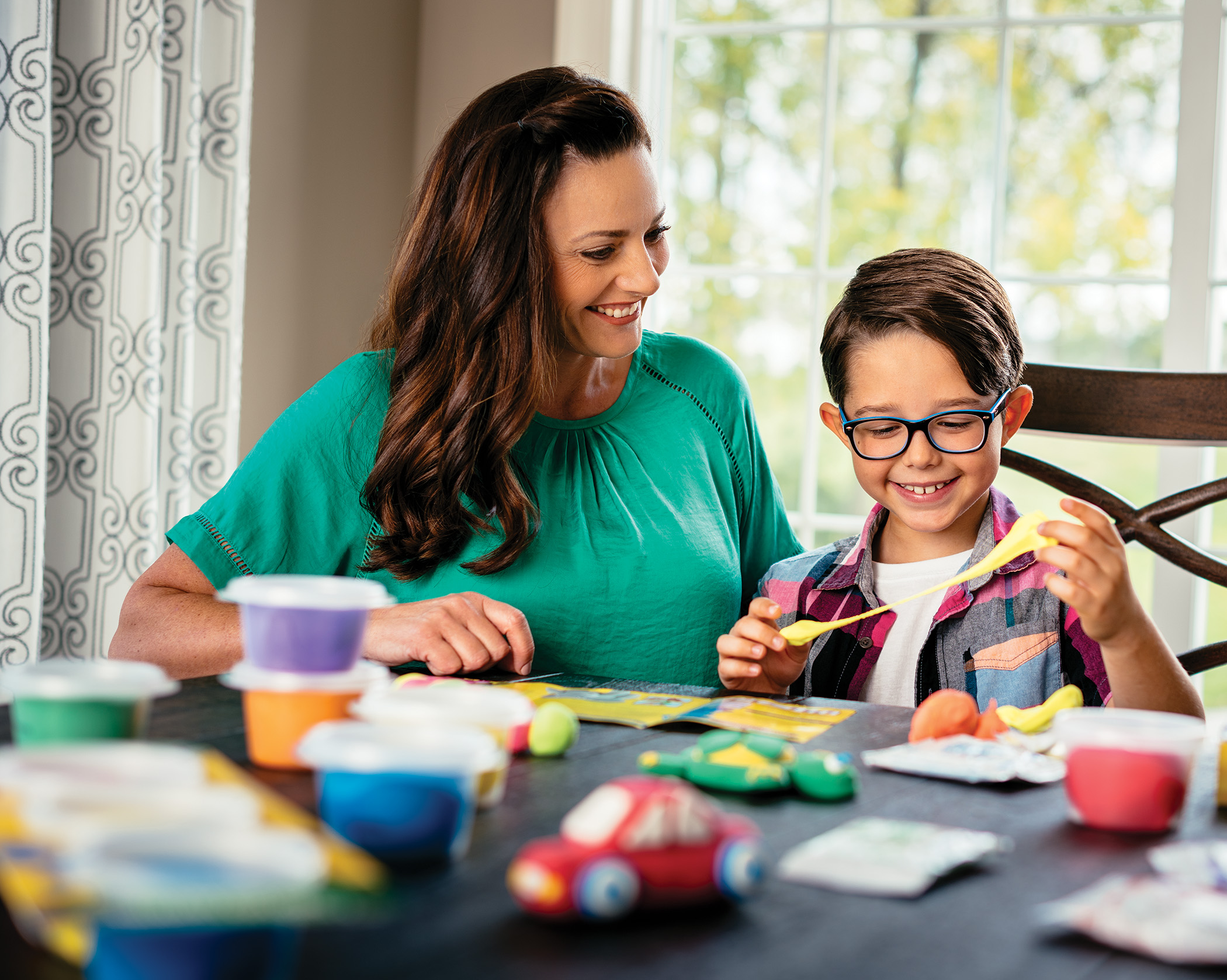
This finding comes from a survey commissioned by Crayola and conducted by Talker Research of 2,000 U.S. parents of children ages 8-12, along with children in that same age range. The survey also revealed the impact of technological advances, such as AI, on how parents nurture their kids’ creativity and how kids and parents view AI differently.
While parents worry about what skills kids may lose due to AI usage, children themselves are more focused on what technology could unlock and seem to be far more optimistic about the impact of AI. According to the study, 35% of parents said they worry AI will reduce their child’s ability to think creatively and 30% fear it will compete with them, limiting their opportunities in the workforce. In contrast, only 22% of kids share their parents’ concerns about AI hurting their creative thinking abilities and only 21% fear job competition.
Consider these additional trends identified in the survey.
Kids Crave Hands-On Creativity
Despite growing up in a digital-first world, the children surveyed expressed a strong desire to engage in hands-on creative experiences. When they make something by hand, they’re more likely to preserve it (46%), display it at home (68%) or give it as a gift (48%), turning creativity into something tangible, lasting and meaningful.
The children surveyed also said they want adults to ask for their creative ideas and listen to them (52%), provide supplies for creating (51%), encourage problem-solving (47%) and give them more time to create (46%).
Feedback Provides Motivation
Creativity flourishes when adults praise young artists for their effort, ideas and decision-making rather than judging how “good” the art looks, the survey found. While the least creatively motivating feedback parents can provide is to tell kids their art looks good (22%), creating with parents or other family members (65%), having their art displayed (45%) and being recognized for the work involved (46%) were some of the most motivating actions.
“When we emphasize effort, process and thinking over outcomes, kids feel safer taking creative risks,” said Cheri Sterman, senior director of education at Crayola. “Research – and kids themselves – are pointing us toward a more supportive way to nurture creativity in the age of AI.”
Purposeful support from parents and teachers also helps to minimize speed bumps that may interfere with kids’ creative growth. This belief is deeply personal with 8 in 10 parents polled admitting they wish the adults in their lives had done more to nurture their creativity when they were children.
Creativity is Essential to Future Success
In a world increasingly shaped by AI, parents recognize creativity as one of the few skills machines can’t easily replicate with the majority of respondents (85%) agreeing that creativity equates to success for children in the future. In fact, creative individuals were viewed as stronger problem-solvers (49%), better communicators (35%) and more likely to succeed in their careers (34%) than non-creatives.
“As AI continues to insert itself into our lives, this study suggests that creativity won’t disappear, but warns that nurturing it must be intentional,” Sterman said. “For parents and educators, the challenge isn’t resisting technology, but ensuring imagination, experimentation and original thinking remain central to how children grow up alongside it.”
Find more ways to nurture creativity at Crayola.com/CreativeMoments.
Everyday Moments of Creativity
Adults can nurture creativity by weaving simple, creative moments into daily routines. That belief is at the heart of efforts like Crayola’s Create More Creative Moments initiative, which has sparked conversations about why creativity matters and how it shapes children’s future success.
Consider these kid-tested creative experiences to boost imagination and creative confidence:
- Sketch during an outdoor walk.
- Draw a new book cover.
- Make up a new ending to a story.
- Write new song lyrics.
- Plan meal theme nights and experiment with new recipes as a family.
- Turn errands into small games.
- Ask “what if…?” to help children imagine.
Michael French
michael.french@featureimpact.com
https://editors.featureimpact.com/
About Feature Impact
Feature Impact is 4media group’s earned-first content solution for audience-ready storytelling at scale. Formerly Family Features, the editorial service delivers measurable earned media results and authentic consumer engagement through high-quality, topical and seasonally relevant multimedia content. Publicly-facing content is available at culinary.net and eLivingToday.com, with additional ready-to-publish resources for editors and journalists at editors.featureimpact.com. Learn more at featureimpact.com.
A photo accompanying this announcement is available at https://www.globenewswire.com/NewsRoom/AttachmentNg/9afc5af5-da7a-4744-995f-371e2f5ea1c6

